
CIPD 3CO01 Assignment Guide: Business, Culture and Change

Welcome to the world of CIPD! We are speaking to the students who are seriously considering or have already signed up for 3CO01: Business, Culture and Change in Context. You might be feeling a mix of excitement and ‘what have I gotten myself into?’
Don’t worry. This is completely normal. Take this unit as the ‘User Manual’ for how businesses actually function. However, before we go into the details, let us pause here and talk about understanding the environment in which employees work.
It is a bit like learning the rules of a game before you start playing. Just that, the game is your professional life, and the rules are shaped by the economy and the company culture.
A Student’s Guide for CIPD 3CO01 Assignment
CIPD 3CO01: Business, Culture and Change in Context, is a mandatory, core unit in the CIPD Level 3 Foundation Certificate in People Practice. It is the starting point for learning about how businesses work and change. It looks at the basics:
- What is a business?
- How does the outside world (like the economy or laws) affect it?
- How culture inside an organization shape people’s behaviour?
It also explains why change happens and how Human Resources (HR) supports it. In simple terms, it is about understanding the big picture before focusing on people’s practices.
But What is the Big Picture?
When you walk into an office, you aren’t just there to do tasks. You are part of a massive machine. And naturally so, every business has a strategy, a fancy word for a long-term plan.
For example, some businesses want to make massive profits for shareholders (Private sector), others want to provide services like healthcare (Public sector), and others just want to save the bees or help the homeless (Voluntary sector).
First thing you should notice at this point is that HR (or People Practice, as CIPD calls it) doesn’t just sit in a corner. They are the bridge. They make sure that the people working in the company actually understand that big plan (strategy) and have the right tools to achieve it.
What Does ‘Culture’ Refer to?
So many times, you must have heard people say, ‘This company has a toxic culture!’ or post on LinkedIn that, ‘ABC company has an admirable culture.’ Here is what that actually means?
An invisible set of rules that are unwritten but still being followed in a workplace. It could be anything from what people dress like, how they talk to their boss, or whether they feel safe admitting they made a mistake. The culture of a business is influenced by Values.
This is why if a company says they value Innovation, but they fire anyone who tries a new idea, their culture is broken. Your job in this unit is to learn how to spot these gaps and help fix them.
Now, Moving into the Assignment
So far, the basics are down, and now is the time to talk about the 3CO01 assignment. Careful, it can look intimidating in the beginning, but if you break it into sections, it becomes much easier to digest. Here is how you should approach your tasks.
v Part 1: External Influences (The PESTLE Tool)
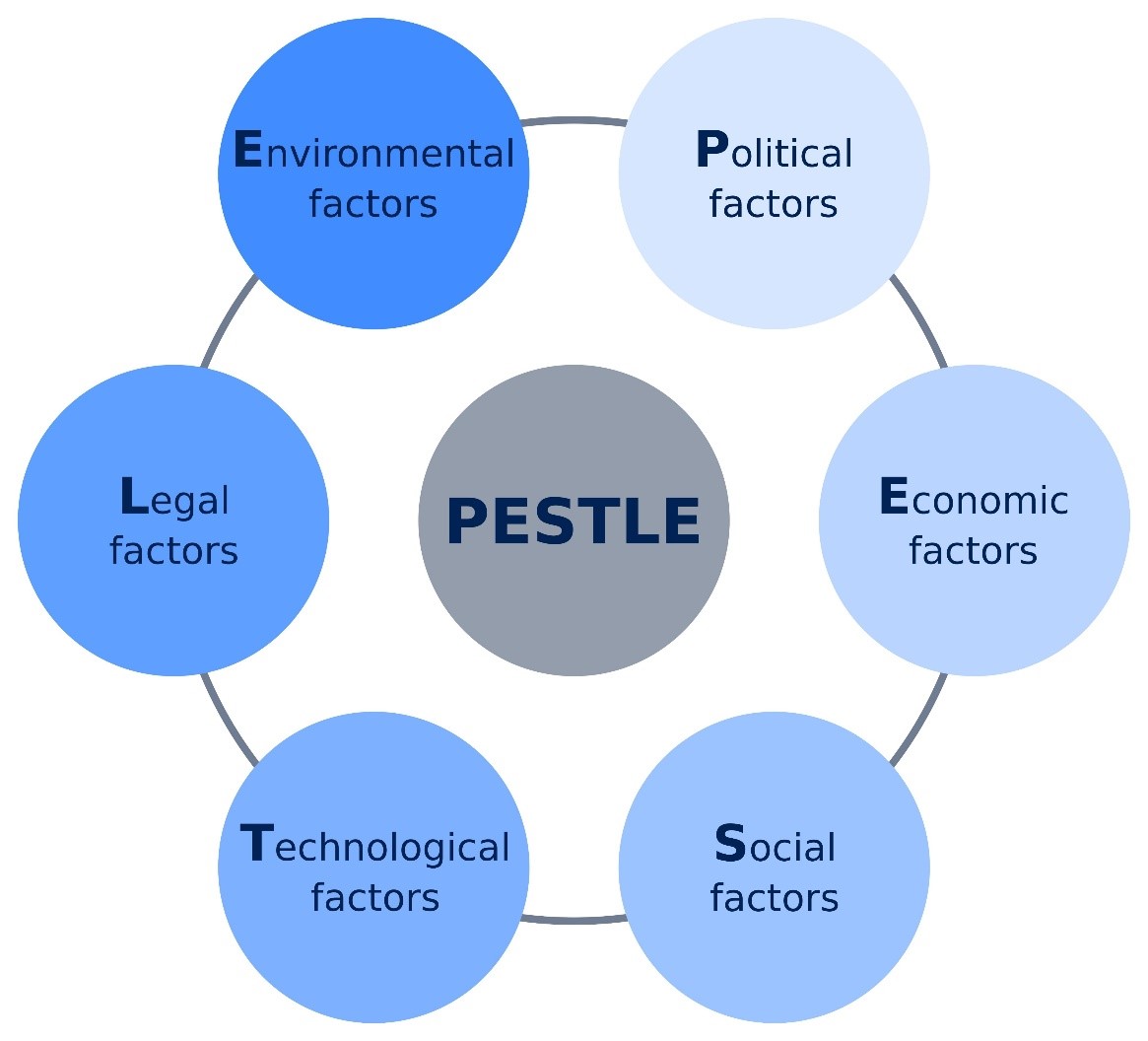
The first thing your assignment will ask is how the outside world affects a business. You cannot ignore the world around you. To answer this, you use the PESTLE model.
- P (Political): Is there a change in government?
- E (Economic): Are people spending less at your shop?
- S (Social): Are more people wanting to work from home?
- T (Technological): Is AI changing how you do your work?
- L (Legal): Did the minimum wage just go up?
- E (Environmental): Is the company trying to use less plastic?
Assignment Pro Tip: Don’t just list these. Pick a real business (like a supermarket or a local gym) and explain how one of these factors actually changes their day-to-day life.
v Part 2: Business Goals and Stakeholders
This is where we get into the nitty-gritty of your work. Your professors want to see that you understand the principles of a Level 3 Assignment Writing Service In UK from a professional perspective, focusing on quality and structure. Hence, to do that, you need to identify Stakeholders. This is simply anyone who has a stake or an interest in the business.
- Internal Stakeholders: Employees, managers, owners.
- External Stakeholders: Customers, suppliers, the local community, and the government.
Now, you need to explain that sometimes these groups want different things. The owner might want more profit, but the employees want a pay rise.
v Part 3: Managing Change (The Human Element)
Change is the heart of this unit. Whether it is a company moving to a new office or changing its software, people usually hate it at first. You will have to talk about the Change Curve.
- Denial: It looks like – ‘This is not done. I won’t accept this ever.’
- Resistance: It looks like – ‘I’m not using that new system; the old one was fine.’
- Exploration: It looks like – ‘Okay, let me see how this works.’
- Commitment: It looks like – ‘Actually, this is much better.’
In your assignment, you need to emphasize that communication is the secret ingredient. After all, if you don’t tell people why things are changing, they will fill the quiet with rumours.
Managing this can be a little tough for some students, and they might need Assignment Helpers. But there is nothing to worry about in that. Use their help and make sure that your writing is balanced enough to pass through the CIPD unit 3CO01.
v Part 4: The Impact on the People Profession
Finally, you just have to explain how all of this affects HR. You must no longer consider yourself just as the hiring and firing department, because you are the Value Adders. You add value by:
- Keeping the company legal (so it doesn’t get sued).
- Keeping employees skilled (so that the company stays ahead of competitors).
- Keeping the culture healthy (so that the best people don’t quit).
Altogether, There Are 3 Sections in the Assignment
| Section | Focus | Key Points |
| (LO1) – Business Environment | External & internal context | 1.1 External factors (PESTLE) 1.2 Business goals & planning 1.3 Products/services & customers 1.4 Technology in HR practice |
| (LO2) – Organizational Culture | Workplace culture | 2.1 Meaning & importance of culture 2.2 Whole systems approach 2.3 Learning & development methods |
| (LO3) – Management of Change | Change in organizations | 3.1 Need to plan for change 3.2 HR roles 3.3 Impact on employees |
Frequently Asked Questions (FAQs)
What is the ‘Profession Map’ that I keep hearing about?
The CIPD Profession Map is a set of standards that tells us what a good HR professional looks like. It focuses on being purpose-led, emotionally intelligent, and evidence-based.
Do I need to use academic models in my assignment?
Yes! You shouldn’t just give your opinion. Instead, use PESTLE for the environment and the Change Curve for transitions. It shows the assignment checkers that you know your stuff.
Why does culture matter for the bottom line?
It is important because happy, engaged employees work harder, treat customers better, and stay at the company longer. All this saves the business thousands of dollars in staffing costs.
Wrapping Up!
The one-line summary of this student’s guide blog is: ‘Getting through 3CO01 is all about connecting the dots.’ If you smartly start by looking at the big world outside (PESTLE), then look at the vibe inside the office (Culture), and finally, look at how HR deals with the messy middle, things change for the better. In the meantime, remember that the assignment should not have complex jargon. Just answer practically, use the discussed models, and don’t be afraid to use real-world examples. You have got this!

I am a professional CIPD expert and academic advisor offering professional support across all CIPD levels, helping learners achieve confident, plagiarism-free, and well-structured submissions. You can check my blogs for insights, tips, and guides regarding your problems.